

Anthropology at the University of Hawaiʻi
As an original land grant institution, the University of Hawaiʻi at Mānoa shoulders particular responsibilities to ‘āina and the Kānaka ‘Ōiwi (Indigenous Hawaiians) and local communities of Hawai‘i. We recognize the fragility of island ecosystems – including their cultural, intellectual, and natural resources. These resources and the communities that they are a part of are tied together through webs of relationality represented by the concept of pilina. The interdependent relations between communities, land, and cultural practice frame our understanding of anthropology. Thus, we place firm commitment in upholding responsibilities to those relationships by exploring past conditions of settlement, engaging and learning from communities, challenging existing stereotypes of interaction, and developing means of leadership in ourselves and our students for the future. The broad-based knowledge upheld by anthropology provides us with the strength of our differences to embrace that stewardship. The education and training of students, the empowerment of communities, the fostering and nurturing of mutually respectful and supportive relationships between faculty and students, and the promotion of an ethical and community-responsive anthropology are our kuleana.
We extend the concept of kuleana to
- the land and people around us
- the work that we do as growing scholars
- the communities we build and serve through our interactions, both locally and beyond Hawaiʻi
- our students and colleagues within and beyond our program
- the teaching and learning that are foundational to the department
- the discipline of anthropology and the global community of anthropologists
- the efforts to establish Mānoa as a Native Hawaiian Place of Learning that supports the education, wellbeing, and ea (sovereignty, life, breath, rising) of Kānaka ‘Ōiwi
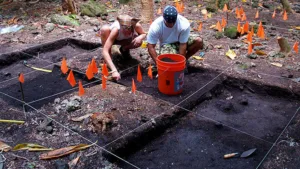

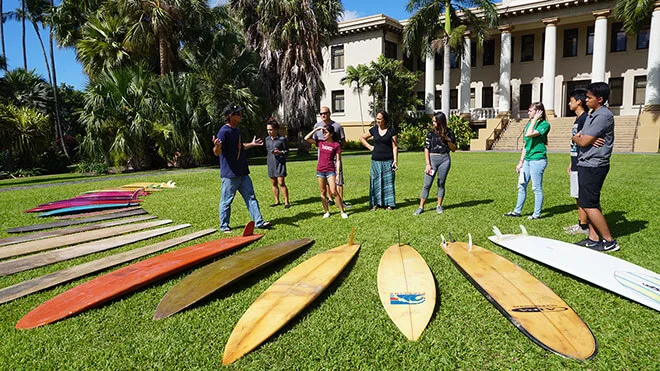
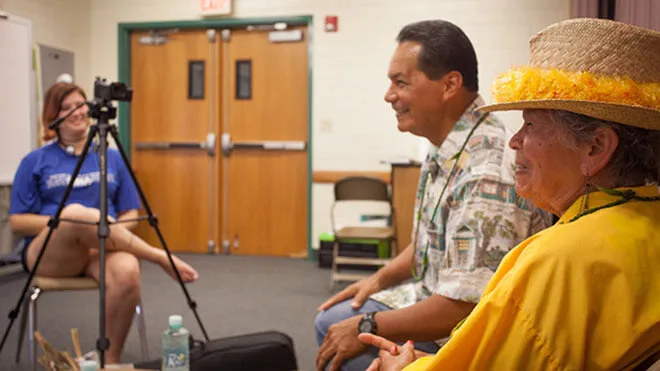
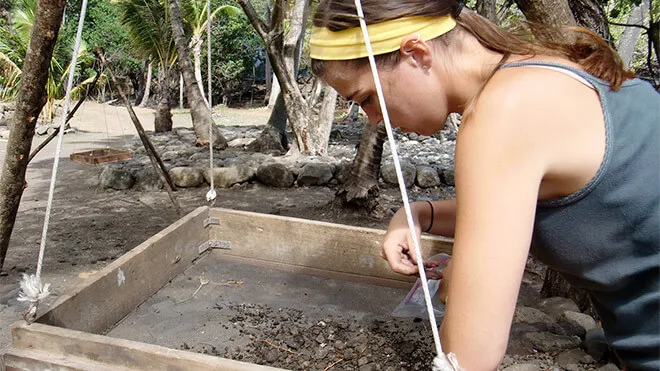
Kuleana defines the ethical basis upon which we establish who we are and what we do as anthropologists, and how we serve the communities with whom we work and of which we are a part. If anthropology is the study of humankind in all its interactions, symbols, objects, emotions, meaning systems, and struggles through time, then kuleana and pilina embed themselves as the highest principles of respect, privilege, and obligation within that endeavor.